Unplanned downtime isn't just a nuisance; it's a silent thief, relentlessly chipping away at productivity, profits, and peace of mind. For many organizations, the question isn't if an asset will fail, but when – and that uncertainty alone can halt an entire operation. This is precisely why Predictive Maintenance & Asset Performance has moved from a niche concept to a mission-critical strategy, transforming how industries manage their most valuable physical resources. It's about seeing the future, or at least, predicting potential issues with enough foresight to act proactively, optimizing everything from factory floors to vast transportation networks.
At a Glance: Your Quick Guide to Predictive Maintenance & Asset Performance
- What it is: Using data, sensors, and AI to predict equipment failures before they happen, allowing for timely, targeted maintenance.
- Why it matters: Drastically reduces unplanned downtime, extends asset life, cuts maintenance costs, and improves operational efficiency.
- Old vs. New: Moves beyond costly "run-to-failure" and inefficient "time-based" maintenance.
- How it works: Sensors collect real-time data, advanced analytics identify patterns and anomalies, triggering automated alerts and actions.
- Key enablers: IoT, AI/Machine Learning, cloud computing, and robust Asset Performance Management (APM) systems.
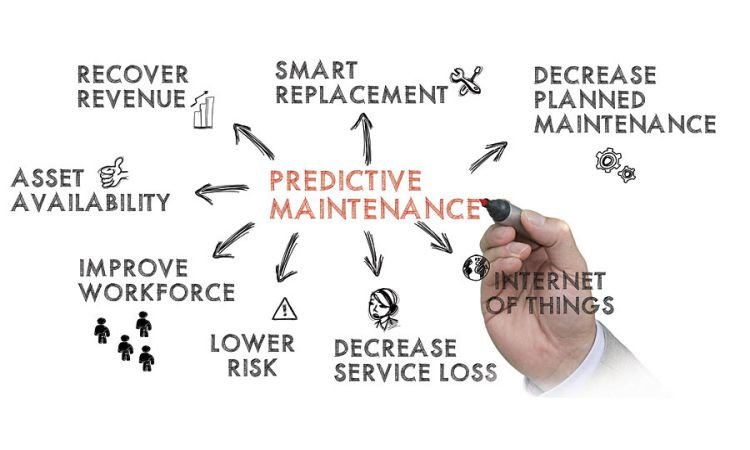
- The payoff: Increased asset availability, lower operational expenses, better safety, and data-driven decision-making.
Why Your Operations Can't Afford to Wait: The High Cost of the Status Quo
Imagine a bustling factory floor, a critical piece of machinery humming along, then—silence. A sudden breakdown. This isn't just an inconvenience; it's a cascade of problems. Production grinds to a halt, deadlines are missed, and emergency repairs cost a premium. For many, this scenario is a familiar, painful reality, born from traditional maintenance strategies that often fall short.
The "Run-to-Failure" Gamble: A High-Stakes Bet You'll Always Lose
This approach, sometimes called reactive maintenance, is exactly what it sounds like: you wait until an asset completely breaks down before fixing it. It's akin to driving your car until the engine seizes. While it might seem cost-effective in the short term by avoiding scheduled maintenance, the repercussions are devastating. You risk catastrophic damage, which can render an asset irreparable, and face extremely expensive, unplanned downtime. Deloitte estimates that unplanned downtime costs industries a staggering $50 billion annually. That's a huge dent in the bottom line, often accompanied by safety hazards and environmental risks.
The Inefficiencies of Time-Based Preventive Maintenance
On the other end of the spectrum is time-based preventive maintenance. Here, maintenance is performed at fixed intervals – weekly, monthly, quarterly – regardless of the asset's actual condition. You change the oil every 3,000 miles, even if you’ve only driven on perfectly smooth highways. While this is certainly better than waiting for total failure, it's often wasteful.
Why? Because you might be replacing parts that still have plenty of life left, or conversely, missing an impending failure that develops between scheduled checks. This increases replacement costs, inflates planned downtime, and often leads to unnecessary labor and spare parts inventory. Poor maintenance strategies, according to Deloitte, can reduce an asset's productive capacity by 5% to 20%. That's a lot of untapped potential.
Beyond Break-Fix: What is Predictive Maintenance (PdM)?
Predictive Maintenance is the intelligent antidote to these traditional headaches. It’s a sophisticated, data-driven strategy that leverages technology to monitor the condition of your equipment in real-time, predict when a failure is likely to occur, and schedule maintenance before that failure disrupts operations. Think of it as having a crystal ball for your machinery.
Instead of guessing or waiting for disaster, PdM gives you actionable insights. It allows you to transform from a reactive or calendar-driven approach to a truly proactive, condition-based strategy. Your assets become "smart assets," equipped with the ability to communicate their health, status, and potential issues directly to you, enabling data-driven decisions that minimize risk and maximize uptime.
The Engine Room of PdM: How Data Fuels Performance
At its core, Predictive Maintenance is a sophisticated loop of data collection, analysis, and action. Deloitte describes this as the "Physical-Digital-Physical" (PDP) loop, a continuous cycle that turns raw operational data into strategic maintenance decisions.
From Physical to Digital: The IoT & Data Collection Layer
The journey begins on the ground, with your physical assets. Imagine a sensor attached to a motor, constantly listening to its hum, feeling its vibrations, and checking its temperature. This is the Internet of Things (IoT) in action. IoT devices stream continuous, real-time data from critical equipment, translating physical actions and conditions into digital signals.
This data isn't just about temperature or vibration. It comes from a vast array of sources:
- Specialized Sensors: Monitoring everything from vibration, temperature, and acoustic emissions to pressure, flow, and conductivity.
- Programmable Logic Controllers (PLCs): The "brains" of many industrial machines, providing operational data.
- Smart Electronic Devices: Embedded within machinery, offering diagnostic information.
- Enterprise Resource Planning (ERP) systems: Providing historical data on asset usage, costs, and spare parts.
- Computerized Maintenance Management Systems (CMMS): Housing maintenance histories, work orders, and asset information.
- Manufacturing Execution Systems (MES): Delivering production-related data.
- GPS Tracking & Vehicle Telematics: For mobile assets, providing location, speed, fuel consumption, and engine performance.
- Onboard Diagnostics (OBD) systems: Common in vehicles, giving insights into engine health and emissions.
All this information flows into a centralized system, creating a rich, comprehensive digital twin of your physical assets.
Making Sense of Signals: Analytics, AI, and Visualization
Once collected, these digital signals are far more than just raw numbers. This is where the magic of advanced analytics, artificial intelligence (AI), and business intelligence (BI) tools comes into play. Instead of manual data crunching or relying on "tribal knowledge" – the institutional memory of experienced technicians – PdM uses sophisticated algorithms to:
- Identify Patterns: AI and machine learning models learn the "normal" operating behavior of an asset.
- Detect Anomalies: Any deviation from the normal pattern, no matter how subtle, can be flagged as a potential indicator of impending failure.
- Predict Failure: Predictive algorithms can estimate the probability of failure and even predict the remaining useful life of a component.
- Visualize Insights: BI tools transform complex data into easy-to-understand dashboards, charts, and alerts, empowering decision-makers with clear, actionable intelligence.
This processing can happen in a couple of ways: - Edge Computing: Data is processed directly at the asset or very close to it, providing real-time insights for immediate action.
- Cloud Data Warehouses: Processed data is pushed to the cloud for deeper, long-term analysis, historical trending, and enterprise-wide visibility.
Closing the Loop: Taking Action Before Trouble Starts
The ultimate goal of PdM is action. The insights generated from the analysis phase lead directly back to the physical world, initiating proactive interventions. This "closing the loop" is where the real value is realized.
- Automated Alerts: When an anomaly is detected, the system can automatically trigger alerts to maintenance teams, plant managers, or even the asset itself.
- Smart Asset Adjustments: In some advanced systems, assets can even alter their own functions to mitigate issues or reduce stress.
- CMMS Integration: Predictive algorithms can automatically create and trigger CMMS work requests, specifying the exact asset, suspected issue, and recommended maintenance action.
- Optimized Spare Parts Management: The system can check ERP systems for the availability of necessary spare parts and even generate purchase requests before a machine failure occurs, ensuring parts are on hand when needed.
- Mobile Asset Scheduling: For fleets or field equipment, PdM insights mean scheduling maintenance at the nearest service center or dispatching a mobile technician with the right tools and parts, optimizing service routes and minimizing downtime on the go.
This entire PDP loop ensures that maintenance becomes a finely tuned operation, precise and timely, rather than reactive and costly.
The Strategic Advantage: Benefits Beyond Just Avoiding Breakdowns
Implementing Predictive Maintenance isn't just about avoiding a few broken machines; it fundamentally shifts your operational paradigm, unlocking a cascade of strategic advantages that impact every facet of your business.
Increased Asset Availability & Lifespan
By identifying and addressing issues before they escalate, you keep your machinery running longer and more reliably. This dramatically increases asset availability – the percentage of time equipment is ready and able to perform its function. Furthermore, by ensuring timely, targeted care, you extend the overall lifespan of your expensive assets, delaying capital expenditures for replacements.
Reduced Maintenance Costs
This is one of the most immediate and tangible benefits. With PdM, you avoid:
- Expensive emergency repairs: No more rush orders for parts or overtime pay for emergency technicians.
- Unnecessary preventive maintenance: You only perform maintenance when it's actually needed, eliminating wasted labor and materials on perfectly healthy components.
- Optimized spare parts inventory: By predicting demand, you can reduce excessive inventory holdings while ensuring critical parts are available, striking a perfect balance.
Improved Safety & Environmental Compliance
Predictive Maintenance mitigates the risk of catastrophic failures, which can often lead to dangerous situations for workers. By proactively addressing potential issues, you create a safer working environment. Additionally, well-maintained equipment often operates more efficiently, consuming less energy and reducing emissions, contributing to better environmental compliance and sustainability objectives.
Enhanced Operational Efficiency & Productivity
When assets are running optimally and downtime is minimized, your entire operation becomes more efficient. Production schedules are more reliable, bottlenecks are reduced, and overall output increases. This boosts productivity across the board, directly impacting your bottom line.
Better Decision-Making
The data-rich environment of PdM provides unprecedented insights into asset performance, operational patterns, and maintenance effectiveness. This empowers managers and engineers to make more informed, data-driven decisions about everything from capital investments to maintenance strategies and resource allocation. For those looking to optimize their entire enterprise, Learn more about Forgematica.
Implementing PdM: Your Roadmap to a Smarter Enterprise
The journey to Predictive Maintenance is a strategic undertaking, not a one-off project. It requires careful planning, stakeholder alignment, and a clear understanding of your organizational goals.
Step 1: Define Your Vision and Align Stakeholders
Before diving into technology, articulate why you're pursuing PdM. What are your key pain points? What specific outcomes do you want to achieve (e.g., reduce unplanned downtime by X%, extend asset life by Y%, cut maintenance costs by Z%)?
Engage all relevant stakeholders – operations, maintenance, IT, finance, and leadership – from the outset. Their buy-in is crucial for successful implementation and change management.
Step 2: Identify and Prioritize Key Assets & Use Cases
You don't need to transform your entire fleet overnight. Start small, focusing on integral assets that:
- Are critical to your core operations (high impact if they fail).
- Have a history of frequent or costly failures.
- Generate sufficient run-time data to create reliable baseline predictive algorithms.
- Represent a clear and measurable business case for improvement.
Piloting with a few well-chosen assets allows you to demonstrate value, refine your processes, and build internal expertise before a wider rollout.
Step 3: Choosing the Right Technology Stack
This is where the rubber meets the road. The enabling technologies for PdM are now more affordable and accessible than ever before, thanks to advancements in IoT, analytics, and visualization. Your technology stack will likely include:
- IoT Sensors & Connectivity: Selecting the right sensors (vibration, temperature, acoustic, etc.) and a reliable network for data transmission.
- Data Aggregation & Storage: Solutions for collecting, cleaning, and storing vast amounts of data.
- Advanced Analytics & AI Platforms: Software that can run predictive algorithms, machine learning models, and provide real-time insights.
- Integration with Existing Systems: Seamless connectivity with your CMMS, EAM, and ERP systems is vital for closing the loop and automating actions.
Consider solutions like SAP Asset Performance Management (SAP APM), which is a cloud-native solution designed to help asset owners, plant managers, and reliability engineers optimize maintenance strategies. SAP APM leverages IoT sensor data, maintenance records, and AI-driven insights to minimize asset failure risk and enable faster, more accurate maintenance decisions. It also integrates seamlessly with existing SAP Enterprise Asset Management (EAM) systems (like SAP S/4HANA Cloud or ERP 6.0).
Step 4: Building a Robust Business Case and Tracking Value
To secure funding and ensure sustained commitment, you need a clear benefits case. Quantify the potential cost savings from reduced downtime, optimized maintenance, and extended asset life. Track key performance indicators (KPIs) like Mean Time Between Failures (MTBF), Mean Time to Repair (MTTR), asset utilization, and maintenance cost per asset. A value tracking mechanism ensures you can demonstrate ROI and make data-driven adjustments to your PdM strategy.
Step 5: Managing Change and Upskilling Your Team
Implementing PdM represents a significant shift in culture and workflows. Maintenance technicians will evolve from "fixers" to "analysts" and "planners." Provide comprehensive training on new technologies, data interpretation, and predictive methodologies. Effective change management strategies are essential to ensure user adoption and maximize the impact of your new capabilities.
Deep Dive: Reliability Methodologies & AI in PdM
Predictive Maintenance doesn't just pull predictions out of thin air. It's built upon proven reliability methodologies and increasingly sophisticated artificial intelligence.
Failure Mode Effects Analysis (FMEA)
FMEA is a systematic, proactive method for identifying potential failure modes in a system, product, or process, and their causes and effects. It's often performed early in the design phase but is crucial for PdM as it helps you understand how assets can fail, enabling the development of appropriate monitoring strategies and predictive models. By understanding the "failure modes," you know what to look for with your sensors and what data points are most critical.
Reliability-Centered Maintenance (RCM)
RCM is a framework that helps organizations determine the optimal maintenance strategy for each asset based on its function, potential failure modes, and the consequences of those failures. SAP APM, for instance, offers proven reliability methodologies like RCM to help mitigate failure consequences. RCM helps you move beyond a "one-size-fits-all" approach, ensuring that your maintenance efforts are precisely tailored to the criticality and failure characteristics of each asset.
AI for Failure Curves and Remaining Useful Life
This is where advanced analytics truly shines. AI and machine learning algorithms can analyze vast datasets to:
- Determine Equipment Failure Curves: Based on historical data and real-time sensor inputs, AI can model the probability of an asset or component failing over time.
- Estimate Remaining Useful Life (RUL): By continuously analyzing current conditions against historical failure patterns, AI can provide an estimate of how much longer a component can reliably operate before it needs attention. This is incredibly powerful for scheduling maintenance with surgical precision, well before a breakdown occurs.
Common Questions About Predictive Maintenance & Asset Performance
Implementing new technology always brings questions. Let's tackle some common ones.
Is PdM only for large companies with massive budgets?
Absolutely not. While large enterprises might have more complex implementations, the core technologies (IoT sensors, cloud analytics) are increasingly affordable and scalable. Even small to medium-sized businesses can start with a pilot project on a few critical assets and expand from there, realizing significant ROI. The key is to start smart and focus on high-impact areas.
What's the difference between PdM and Preventive Maintenance?
This is a common point of confusion.
- Preventive Maintenance (PM) is time-based or usage-based (e.g., change oil every 3,000 miles, inspect every six months). It's proactive but can be inefficient because it doesn't consider the actual condition of the asset.
- Predictive Maintenance (PdM) is condition-based. It monitors the actual condition of an asset in real-time to predict when maintenance is truly needed. It's far more precise, preventing unnecessary maintenance and avoiding unexpected failures. Think of PM as a regular check-up and PdM as continuous vital sign monitoring that tells you exactly when to see the doctor.
What are the main challenges in implementing PdM?
Key challenges often include:
- Data Integration: Connecting disparate data sources (sensors, CMMS, ERP) can be complex.
- Data Quality: "Garbage in, garbage out" – ensuring clean, reliable data is crucial for accurate predictions.
- Talent Gap: A shortage of skilled data scientists, reliability engineers, and technicians trained in new PdM tools.
- Change Management: Overcoming resistance to new workflows and technologies among the workforce.
- Initial Investment: While ROI is strong, the upfront cost for sensors, software, and integration can be a hurdle.
How quickly can I see ROI from PdM?
The speed of ROI can vary based on the complexity of your assets, the scale of your implementation, and the severity of your pre-existing maintenance issues. However, many organizations report seeing positive returns within 6 to 18 months, often driven by significant reductions in unplanned downtime and maintenance costs. The key is to start with high-value assets and diligently track your chosen KPIs.
Your Next Move: Stepping into the Future of Asset Management
The landscape of industrial operations is evolving rapidly. Those who embrace data-driven strategies like Predictive Maintenance & Asset Performance will not only survive but thrive, gaining a significant competitive edge. You'll move beyond the costly cycles of breakdown and repair, stepping into a future where your operations are more reliable, efficient, and sustainable.
Whether you're taking your first steps towards a smart factory or looking to optimize an existing infrastructure, the path to superior asset performance begins with a clear vision and a commitment to leveraging the power of data. Start by identifying your most critical assets, explore the readily available technologies, and build a team empowered to drive change. The future of maintenance isn't just about fixing things; it's about anticipating, optimizing, and ensuring continuous operational excellence.